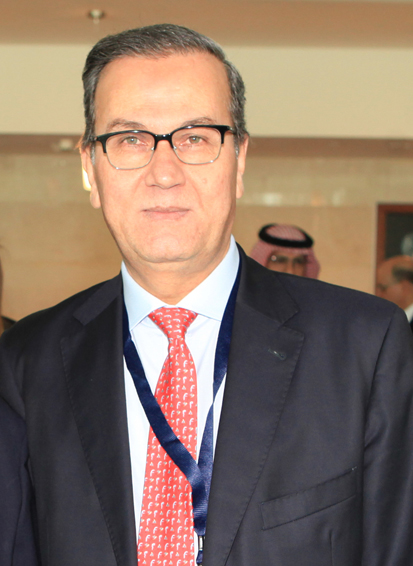


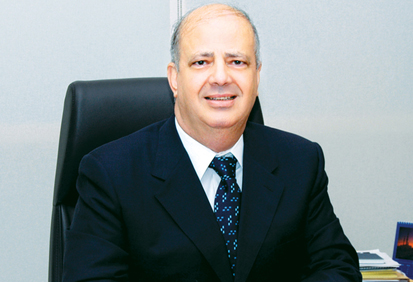
To overcome the huge impact of Covid-19, ICIEC collaborated with its partners and was able to increase the reach and depth of its service offerings, and by that enabling the provision of the best support possible to its member countries. To discuss this and many more topics, we asked Mr. Oussama Al Kaissi, the company’s CEO, the following questions and below are his answers in details…
* 𝐇𝐨𝐰 𝐡𝐚𝐬 𝐈𝐂𝐈𝐄𝐂 𝐫𝐞𝐬𝐩𝐨𝐧𝐝𝐞𝐝 𝐭𝐨 𝐭𝐡𝐞 𝐩𝐚𝐧𝐝𝐞𝐦𝐢𝐜?
ICIEC responded very quickly to support the specific needs of our member countries. We are currently offering several instruments to aid OIC countries and businesses through the crisis.
Firstly, ICIEC has been working closely with the Islamic Development Bank (IsDB) Group to increase capacity and ensure an immediate and effective response to the pandemic. IsDB Group launched a USD ٢.٣ billion Strategic Preparedness and Response Programme (SPRP) in order to address the impacts of COVID-19 in member countries. The SPRP is employing a ‘٣Rs’ approach, “Respond, Restore and Restart”. ICIEC contributed USD ٣٥٠ million to provide credit and political risk insurance to sustain imports of strategic commodities, investment protection, and to minimize volatility in trade flows.
ICIEC and IsDB have also launched the innovative COVID-19 Guarantee Facility, providing USD ٢ billion to support the private sector. The facility is being implemented jointly by the two entities to support essential industries and attract cross-border investments, both foreign and local. One example of the facility in action is with ICIEC’s cover for non-payment insurance for the purchase of high-end medical equipment in Punjab, Pakistan. The project has benefitted the Pakistani healthcare sector in fighting the pandemic, providing doctors with a cost effective and accurate method for diagnosing patients using state-of-the-art CT scan equipment. ICIEC also supported in the Punjab Health Reforms Roadmap, to improve healthcare facilities in this province.
Further to these response initiatives, ICIEC and the Islamic Solidarity Fund for Development (ISFD) have collaborated to create a rapid COVID-19 response and resilience initiative, the ICIEC-ISFD COVID-19 Emergency Response Initiative (ICERI). The fund has structured a concessional all-in pricing mechanism to help preserve the flow of essential imports to OIC countries, prioritizing support for the import of urgent commodities such as medicine, medical equipment and foodstuff.
ICIEC was also a key contributor to the IsDB Group webinars, IsDB Group Private Sector Action Response to COVID-19, in which entities discussed the challenges facing the global economy during the pandemic.
* 𝐂𝐨𝐯𝐢𝐝-𝟏𝟗 𝐡𝐚𝐬 𝐢𝐦𝐩𝐚𝐜𝐭𝐞𝐝 𝐰𝐨𝐫𝐥𝐝 𝐞𝐜𝐨𝐧𝐨𝐦𝐢𝐞𝐬, 𝐬𝐭𝐢𝐟𝐥𝐢𝐧𝐠 𝐛𝐮𝐬𝐢𝐧𝐞𝐬𝐬𝐞𝐬 𝐚𝐜𝐫𝐨𝐬𝐬 𝐦𝐚𝐧𝐲 𝐬𝐞𝐜𝐭𝐨𝐫𝐬 𝐚𝐧𝐝 𝐜𝐫𝐞𝐚𝐭𝐢𝐧𝐠 𝐛𝐮𝐝𝐠𝐞𝐭𝐚𝐫𝐲 𝐥𝐢𝐦𝐢𝐭𝐚𝐭𝐢𝐨𝐧𝐬 𝐨𝐧 𝐠𝐨𝐯𝐞𝐫𝐧𝐦𝐞𝐧𝐭𝐬. 𝐇𝐨𝐰 𝐰𝐨𝐮𝐥𝐝 𝐲𝐨𝐮 𝐬𝐮𝐦𝐦𝐚𝐫𝐢𝐳𝐞 𝐭𝐡𝐞 𝐢𝐦𝐩𝐚𝐜𝐭 𝐨𝐟 𝐭𝐡𝐢𝐬 𝐩𝐚𝐧𝐝𝐞𝐦𝐢𝐜 𝐨𝐧 𝐭𝐡𝐞 𝐢𝐧𝐬𝐮𝐫𝐚𝐧𝐜𝐞 𝐬𝐞𝐜𝐭𝐨𝐫?
The pandemic has had an unprecedented impact on the world and the insurance sector is no exception. Given the nature of insurance, this sector is generally well prepared for loss events.
Many insurers have managed to respond to the pandemic’s challenges rather quickly. The global demand for a number of different types of insurance has of course increased as individuals and businesses seek to protect against the unforeseen risks arising from the pandemic, including the demand for Political and Credit Risk Insurance (PRI/CRI). However, insurers need to be more prudent while considering what risks they take on right now and consider where their services can have the most impact.
As a multilateral Export Credit Agency (ECA), ICIEC continues to support imports of strategic commodities and provide PRI to protect investments against volatility in member countries during these challenging times. In prioritizing the urgent needs of OIC citizens, ICIEC has focused efforts on supporting the pressing demand for medical equipment, healthcare supplies and essential commodities, among other essential products. ICIEC is also providing support to critical healthcare projects in our member countries, helping to rebuild economic systems that are better able to absorb the negative effects of health crises like COVID-19.
On the path to global economic recovery, insurers will face numerous challenges and opportunities. Insurance companies will require resilient leadership to continue navigating the crisis and adapt their approaches to service delivery. ICIEC has placed a high importance on partnerships in response to COVID-19 by forging new relationships, and strengthening existing partnerships, with National Export Credit Agencies, peer institutions and the Islamic Development Bank Group (IsDBG).
* 𝐖𝐢𝐭𝐡 𝐬𝐭𝐫𝐢𝐜𝐭 𝐬𝐨𝐜𝐢𝐚𝐥 𝐝𝐢𝐬𝐭𝐚𝐧𝐜𝐢𝐧𝐠 𝐦𝐞𝐚𝐬𝐮𝐫𝐞𝐬 𝐚𝐧𝐝 𝐥𝐨𝐜𝐤𝐝𝐨𝐰𝐧𝐬, 𝐛𝐮𝐬𝐢𝐧𝐞𝐬𝐬𝐞𝐬 𝐡𝐚𝐝 𝐭𝐨 𝐫𝐞𝐢𝐦𝐚𝐠𝐢𝐧𝐞 𝐭𝐡𝐞𝐢𝐫 𝐬𝐭𝐫𝐚𝐭𝐞𝐠𝐢𝐞𝐬, 𝐬𝐲𝐬𝐭𝐞𝐦𝐬 𝐚𝐧𝐝 𝐨𝐩𝐞𝐫𝐚𝐭𝐢𝐨𝐧𝐬. 𝐍𝐨𝐭𝐚𝐛𝐥𝐲, 𝐰𝐨𝐫𝐤𝐢𝐧𝐠 𝐟𝐫𝐨𝐦 𝐡𝐨𝐦𝐞, 𝐫𝐞𝐦𝐨𝐭𝐞 𝐜𝐨𝐦𝐦𝐮𝐧𝐢𝐜𝐚𝐭𝐢𝐨𝐧 𝐚𝐧𝐝 𝐢𝐧𝐭𝐞𝐫𝐚𝐜𝐭𝐢𝐨𝐧 𝐡𝐚𝐯𝐞 𝐛𝐞𝐜𝐨𝐦𝐞 𝐭𝐡𝐞 𝐧𝐞𝐰 𝐧𝐨𝐫𝐦, 𝐜𝐫𝐞𝐚𝐭𝐢𝐧𝐠 𝐚 𝐡𝐞𝐚𝐯𝐲 𝐫𝐞𝐥𝐢𝐚𝐧𝐜𝐞 𝐨𝐧 𝐭𝐞𝐜𝐡𝐧𝐨𝐥𝐨𝐠𝐲 𝐚𝐧𝐝 𝐚𝐧 𝐮𝐫𝐠𝐞𝐧𝐭 𝐧𝐞𝐞𝐝 𝐭𝐨 𝐢𝐦𝐩𝐫𝐨𝐯𝐞 𝐝𝐢𝐠𝐢𝐭𝐚𝐥𝐢𝐳𝐚𝐭𝐢𝐨𝐧. 𝐇𝐨𝐰 𝐰𝐨𝐮𝐥𝐝 𝐲𝐨𝐮 𝐬𝐚𝐲 𝐭𝐡𝐞 𝐢𝐧𝐬𝐮𝐫𝐚𝐧𝐜𝐞 𝐜𝐨𝐦𝐩𝐚𝐧𝐢𝐞𝐬 𝐫𝐞𝐬𝐩𝐨𝐧𝐝𝐞𝐝 𝐭𝐨 𝐭𝐡𝐢𝐬 𝐩𝐚𝐭𝐭𝐞𝐫𝐧 𝐨𝐟 𝐰𝐨𝐫𝐤 𝐚𝐧𝐝 𝐡𝐨𝐰 𝐝𝐨 𝐲𝐨𝐮 𝐬𝐞𝐞 𝐭𝐡𝐢𝐬 𝐭𝐫𝐞𝐧𝐝 𝐜𝐨𝐧𝐭𝐢𝐧𝐮𝐢𝐧𝐠?
Businesses of all kinds quickly needed to adapt operations in the face of the pandemic. Digital platforms were called upon to facilitate working from remote locations, to train and equip staff, and to enhance cybersecurity protocols. Insurance companies have had to adapt in much the same way. Many insurers needed to speed up the digitization of internal operations to maintain socially distanced payment, claims and underwriting processing. Additionally, many insurers are digitizing Customer Relationship Management (CRM) systems to improve data accuracy and customer engagement. Going forward there is limitless opportunities for insurers to enhance digital capacities and foster further technological innovation for the sector.
In ICIEC’s case, in response to the COVID-19 pandemic, the IsDB Group rapidly implemented measures through the Group’s Business Continuity Management to ensure the safety of ICIEC staff and the seamless continuity of the Corporation’s operations through remote means. We have been successful at keeping the business flow fairly smooth thus far.
In addition to implementing remote working operations, ICIEC was in the process of establishing innovative technologies before the pandemic exacerbated the need for them. ICIEC has been working to implement a new robust IT System, aimed at improving our institutional efficiency, performance, capacity and responsiveness through the digitization of various business processes. We expect this to play a crucial role in increasing both the volume of intra-OIC trade and the volume of investment into Member Countries by ensuring that Takaful products are both easier to access and easier to use.
ICIEC is also in the initial process of setting up an OIC Business Intelligence Center (OBIC) to provide comprehensive credit information for OIC member countries, which is largely insufficient in the region. The OBIC will employ Artificial Intelligence (AI) solutions to deliver credit information and predictions, with integrated blockchain technology facilitating greater accuracy, convenience, and speed. The OBIC is aimed at increasing intra-OIC trade and investment volumes, combined with greater financial inclusion for MSMEs. The OBIC is projected to boost private sector lending in the least developed OIC member states by an estimated USD ٦٧٠ billion a year. The Center will be a significant value-add to ICIEC’s mission of enhancing trade and investment across the OIC.
* 𝐇𝐚𝐯𝐞 𝐭𝐡𝐞 𝐢𝐧𝐬𝐮𝐫𝐚𝐧𝐜𝐞 𝐬𝐞𝐜𝐭𝐨𝐫 𝐚𝐧𝐝 𝐠𝐨𝐯𝐞𝐫𝐧𝐦𝐞𝐧𝐭𝐬 𝐭𝐚𝐤𝐞𝐧 𝐯𝐚𝐥𝐮𝐚𝐛𝐥𝐞 𝐥𝐞𝐬𝐬𝐨𝐧𝐬 𝐟𝐫𝐨𝐦 𝐭𝐡𝐞 𝐂𝐨𝐯𝐢𝐝-𝟏𝟗 𝐞𝐱𝐩𝐞𝐫𝐢𝐞𝐧𝐜𝐞, 𝐢𝐧 𝐩𝐫𝐞𝐩𝐚𝐫𝐚𝐭𝐢𝐨𝐧 𝐟𝐨𝐫 𝐟𝐮𝐭𝐮𝐫𝐞 𝐞𝐩𝐢𝐝𝐞𝐦𝐢𝐜𝐬 𝐚𝐧𝐝 𝐠𝐥𝐨𝐛𝐚𝐥 𝐫𝐢𝐬𝐤𝐬? 𝐖𝐡𝐚𝐭 𝐚𝐫𝐞 𝐲𝐨𝐮𝐫 𝐬𝐮𝐠𝐠𝐞𝐬𝐭𝐢𝐨𝐧𝐬 𝐢𝐧 𝐭𝐡𝐢𝐬 𝐚𝐫𝐞𝐚?
From ICIEC’s trade and investment perspective, and through its role as a multilateral ECA, an important lesson has been learned in regard to trade strategy. The disruptions to supply chains and increased protectionism witnessed when lockdown procedures began have highlighted the importance of regional trade blocks and diversifying economies that heavily rely on a single commodity. Perhaps not so much for private insurers, but it’s important for governments and ECAs to prioritize projects that facilitate economic diversification and strategic trade relationships.
Beyond the issues experienced specifically in trade, the pandemic has exposed a number of underlying gaps in the world’s systems and is acting as a wakeup call for governments, companies and societies globally to be better prepared. As many governments are struggling with similar issues, such as lack of essential healthcare infrastructure and budget constraints, there is an urgent call for collaboration to overcome the pandemic’s challenges and approach recovery with the aim to improve the health, safety and wellbeing of communities beyond what they were before the pandemic hit.
This is the time for the world to rebuild together with development and sustainability as a priority. Pandemics and infectious diseases are deeply intertwined with climate change and are among the top emerging risks of the future. Therefore, governments and the private sector are emphasizing the importance of a green and equitable recovery. This is a unique opportunity for governments and the insurance sector to contribute efforts in rebuilding a resilient, inclusive, green and just economy.
* 𝐈𝐧 𝐲𝐨𝐮𝐫 𝐨𝐩𝐢𝐧𝐢𝐨𝐧, 𝐰𝐡𝐚𝐭 𝐚𝐫𝐞 𝐭𝐡𝐞 𝐦𝐨𝐬𝐭 𝐩𝐫𝐨𝐦𝐢𝐧𝐞𝐧𝐭 𝐝𝐞𝐯𝐞𝐥𝐨𝐩𝐦𝐞𝐧𝐭𝐬 𝐚𝐧𝐝 𝐜𝐡𝐚𝐧𝐠𝐞𝐬 𝐭𝐡𝐚𝐭 𝐡𝐚𝐯𝐞 𝐨𝐜𝐜𝐮𝐫𝐫𝐞𝐝 𝐭𝐨 𝐭𝐡𝐞 𝐢𝐧𝐬𝐮𝐫𝐚𝐧𝐜𝐞 𝐬𝐞𝐜𝐭𝐨𝐫 𝐠𝐥𝐨𝐛𝐚𝐥𝐥𝐲 𝐚𝐧𝐝 𝐲𝐨𝐮𝐫 𝐦𝐞𝐦𝐛𝐞𝐫 𝐜𝐨𝐮𝐧𝐭𝐫𝐢𝐞𝐬 𝐢𝐧 𝟐𝟎𝟐𝟎?
Broadly speaking, claims handling and resolutions will likely critically depend on the economic impact of COVID-19 and government responses and measures to contain the transmission. The duty to act in good faith combined with prompt and favorable responses by insurers and reinsurers will likely result in long-term acceptance of the role and need for trade credit insurance. Consequently, insurers and reinsurers may be able to increase their rates and premiums in the future.
Speaking about the insurance sector more generally, the need for strong capital and solvency ratios to ensure that insurers continue to serve their policyholders through good times and bad remains a top theme that has been only reinforced in this pandemic. The added value of an ECA is that it plays a countercyclical role and provides the needed financial instruments to maintain stability and sustainability.
Demand for the trade credit and political risk insurance products that ICIEC provides remains strong, even as the expectation of commercial bankruptcies looms for many economies around the world. Certain sectors have been hard hit initially, namely airlines, tourism, manufacturing, etc., but these can be expected to have knock-on effects throughout the broader economy over time. Based on transaction volumes, we registered a surge in demand in sectors such as oil & gas, and mining in countries such as Egypt and Côte d’Ivoire. Other factors have also affected demand such as political activity, especially elections which drive up government spending. As a multilateral specialized insurer, there is clearly a role for ICIEC to continue to bridge these gaps and fill the market demand for such products, as some private credit insurers have had to cut limits and withdraw cover.
Supporting trade credit insurance to facilitate bank lending during supply and demand shocks triggered by the pandemic has become a top priority for many policymakers to prevent economic collapse. The provisioning requirements for ECAs for the financing covered have been reworked in many countries, to provide favorable management of public guarantees during the crisis. Nevertheless, government support for insurance should carefully assess the support provided to the private and public insurance sector and the range of insurance products, so as to not create an imbalance in the market once the crisis is over.
* 𝐖𝐡𝐚𝐭 𝐰𝐢𝐥𝐥 𝐛𝐞 𝐭𝐡𝐞 𝐩𝐫𝐢𝐜𝐞 𝐚𝐧𝐝 𝐬𝐞𝐫𝐯𝐢𝐜𝐞 𝐭𝐫𝐞𝐧𝐝𝐬 𝐠𝐨𝐢𝐧𝐠 𝐟𝐨𝐫𝐰𝐚𝐫𝐝? 𝐃𝐨 𝐲𝐨𝐮 𝐭𝐡𝐢𝐧𝐤 𝐬𝐨𝐦𝐞 𝐢𝐧𝐬𝐮𝐫𝐚𝐧𝐜𝐞 𝐜𝐨𝐦𝐩𝐚𝐧𝐢𝐞𝐬 𝐰𝐢𝐥𝐥 𝐞𝐱𝐢𝐭 𝐭𝐡𝐞 𝐦𝐚𝐫𝐤𝐞𝐭 𝐚𝐬 𝐭𝐡𝐞𝐲 𝐰𝐢𝐥𝐥 𝐧𝐨𝐭 𝐛𝐞 𝐚𝐛𝐥𝐞 𝐭𝐨 𝐚𝐝𝐚𝐩𝐭 𝐭𝐨 𝐚𝐥𝐥 𝐭𝐡𝐞𝐬𝐞 𝐜𝐡𝐚𝐥𝐥𝐞𝐧𝐠𝐞𝐬?
Claims due to COVID-19 have not made a significant impact yet but are expected to materialize through the first half of 2021. The limited claims activity thus far is likely due to the time lag in claims cycle from default to indemnification but also perhaps a consequence of various support measures introduced by ECAs and governments.
Risk underwriting and pricing is likely to undergo subtle changes because of the crisis and the industry may adopt new models to adjust. Prolonged recession and tensions can also increase political and country risk.
Global trade is likely to retract as both industry and governments focus on domestic activities. Overall, hardening of the private insurance market and reduced risk appetite from the private sector are expected and consequently, reduced and more expensive reinsurance capacity.
The trajectory of rates in the reinsurance market were already increasing, and COVID-19 is accelerating these market changes globally. COVID-19-related losses and the current financial market situation create pressure on the reinsurance industry to improve performance to cover the cost of capital. Reinsurance companies will hike premium rates, while reducing their capacity. Europe raised its prices by more than ٣٠٪, particularly in certain lines, and the Arab region will witness rate hikes in affected sectors. Small reinsurers in the region face the threat of closure, unless increased and premium collections are received in time. The challenges are mounting on reinsurers, and if premiums are not collected promptly, they risk a market exit.
Online, direct and digital channels are also expected to dominate the mass market, significantly reducing transactional costs. The rate of transition to online technology platforms will differ based on the state of the digital market in each country and region. It’s likely that insurance companies that cannot make this transition will eventually be pushed out of the market.
* 𝐇𝐨𝐰 𝐝𝐨 𝐲𝐨𝐮 𝐬𝐮𝐦𝐦𝐚𝐫𝐢𝐳𝐞 𝐈𝐂𝐈𝐄𝐂’𝐬 𝐛𝐮𝐬𝐢𝐧𝐞𝐬𝐬 𝐟𝐥𝐨𝐰 𝐚𝐧𝐝 𝐫𝐞𝐬𝐮𝐥𝐭𝐬 𝐢𝐧 𝟐𝟎𝟐𝟎?
Overall, ICIEC has strengthened its support for member countries by ramping up efforts in sectoral and country risk monitoring and undertaking regular and forward stress testing of the portfolio. Given the impact of the pandemic on trade, through disruptions in supply chains, and investments through heightened risk perceptions, in the first three quarters of 2020, ICIEC insured USD 7.33 billion of total business, a slight decrease from third quarter results in 2019. The fact that the decrease is not stark speaks to the persistent strength in demand for both short-term and medium-term export credit insurance in ICIEC’s member countries, as well as our determination to provide such insurance in this crucial time of crisis. In collaboration with its partners, ICIEC can increase the reach and depth of service offerings, therefore enabling the provision of the best support possible to our member countries
In 2020 ICIEC has forged new partnerships with member country ECA’s, such as Uzbekinvest, and non-Member Country ECA’s such as U.K. Export Finance and Austrian ECA, OeKB. ICIEC has also worked to strengthen existing partnerships, particularly with its IsDB Group peers, launching new initiatives with IsDB and ISFD in 2020.
The Corporation remains committed to helping our member countries with their unique development agendas and the UN’s Sustainable Development Goals (SDGs). We insure projects that align with these priorities. One such example includes ICIEC’s cover of EUR ١٢٤ million for a Deutsche Bank financing that helped bolster the expansion of Côte d’Ivoire’s health sector’s infrastructure (building two new hospitals with a collective capacity of ٤٠٠ beds) to provide its citizens with better access to quality healthcare. This project contributes to SDG ٣ (Good Health and Wellbeing and SDG ٩ Industry, Innovation and Infrastructure).
* 𝐂𝐨𝐮𝐥𝐝 𝐲𝐨𝐮 𝐬𝐡𝐚𝐫𝐞 𝐬𝐨𝐦𝐞 𝐨𝐟 𝐈𝐂𝐈𝐄𝐂’𝐬 𝐩𝐫𝐞𝐩𝐚𝐫𝐚𝐭𝐢𝐨𝐧𝐬, 𝐩𝐫𝐨𝐣𝐞𝐜𝐭𝐬 𝐚𝐧𝐝 𝐩𝐥𝐚𝐧𝐬 𝐟𝐨𝐫 𝟐𝟎𝟐𝟏?
Despite the challenges and economic decline globally, ICIEC remains focused on providing the necessary support to unlock credit and investment providing risk management services to exporters, growth businesses and projects. During these uncertain times, ICIEC can use its full potential to stand by and support businesses and investors by shielding them from commercial and political risks.
Among ICIEC’s top priorities is to engage in partnerships, strengthen existing bonds and forge new ones. ICIEC works in close synergy with Multilateral Development Banks and Export Credit Agencies (ECAs) across member and non-member countries. We help to raise awareness and build capacity and facilitate information sharing among these institutions. In partnership with IsDB Group we will continue our combined efforts to provide solutions for the COVID-19 crisis. As the sole shariah compliant multilateral trade and investment insurer, ICIEC takes a leadership role in educating the market on the benefits of political and credit risk insurance. We will continue to explore innovative product offerings to fill market gaps and meet local needs through enhancing efficiency and technology advancements.
ICIEC’s strategic priorities include enhancing impact by aligning insurance support with SDGs, growing membership, advancing Islamic Finance and Environmental Sustainability. We will continue to strengthen our resilience through enhanced risk management and reinsurance, growing capital, safeguarding financial sustainability, and diversifying products to address evolving market demands.